


“Egypt targets 60% vehicle local content as it steps up automotive component localisation”
Egypt’s ambition to move beyond vehicle assembly towards domestic automotive manufacturing could create new opportunities for component suppliers, including Indian companies exploring partnerships and regional supply chains.
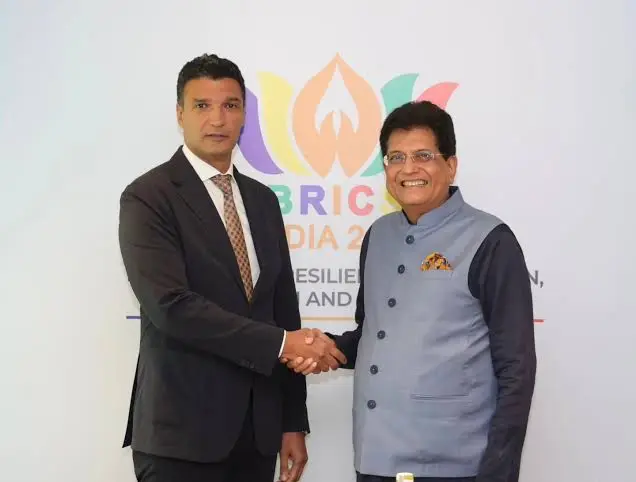
CAIRO / NEW DELHI: Egypt is accelerating efforts to move its automotive industry beyond vehicle assembly, targeting an increase in local content in domestically manufactured vehicles from 45% to 60% under its seven-year National Automotive Industry Development Programme (AIDP).
The strategy, outlined by Industry Minister Khaled Hashem at the 11th Egypt Automotive Summit on November 22, places greater emphasis on domestic component manufacturing, supplier development, technology transfer and attracting international automotive manufacturers.
The 60% figure refers to overall local content in vehicles manufactured in Egypt. The programme separately targets increasing the domestic industrial component share to more than 35%. It also requires at least 25% local value addition through actual manufacturing processes, rather than assembly alone.
The government’s broader objective is to establish Egypt as a regional automotive manufacturing and export hub, supported by a stronger domestic supplier ecosystem.

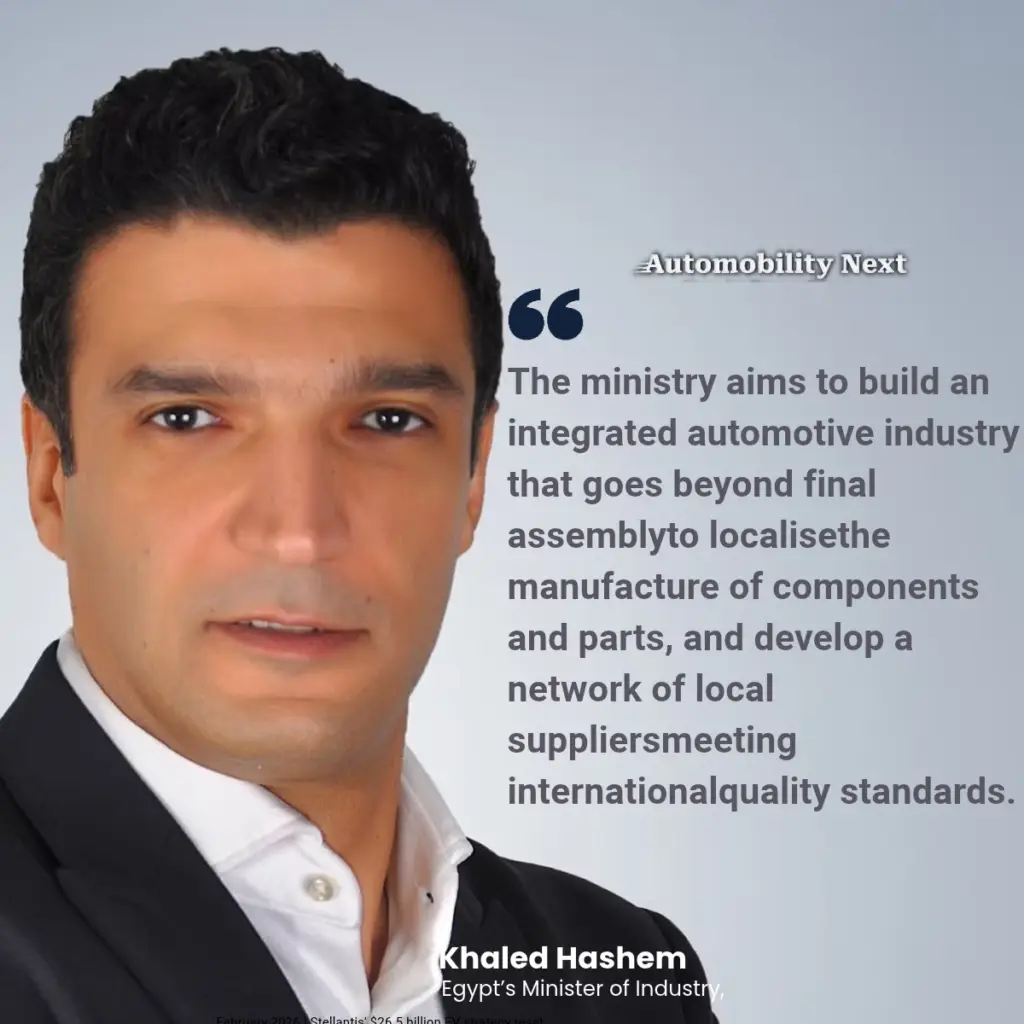
Metal components and supplier development take priority
Egypt’s localization ambitions are increasingly translating into specific manufacturing initiatives. At a government review meeting , Hashem outlined a partnership involving international technology, El Araby Group and the Arab Organization for Industrialization (AOI) to manufacture seven types of automotive metal components locally, targeting annual production of eight million pieces.
The initiative could strengthen domestic capabilities in metalworking, precision engineering, stamping and fabricated components.
Another important development is a proposed vocational school specialising in mould and die manufacturing, being developed with the Brazilian Association of the Tool Industry (ABINFER) and Egypt’s Productivity and Vocational Training Department.
The government is also working towards domestic electric motor manufacturing through international partnerships and plans to upgrade the Engineering Industries Technology Center at 10th of Ramadan City to support local suppliers, testing and product development.
These initiatives address important gaps in the automotive supply chain, particularly manufacturing technology, tooling and skilled manpower.
Electric mobility is emerging as another pillar of Egypt’s automotive manufacturing strategy. In September 2026, Egyptian battery manufacturer BME signed an agreement with China’s Contemporary Amperex Technology Co. Ltd (CATL) to establish a battery manufacturing facility with an initial annual capacity of 1 GWh, with longer-term plans to expand to 5 GWh.
The Industry Minister indicated that the facility is targeted to begin operations in May or June 2027. Separately, Egypt has begun local production of the Dongfeng MAGE EV at El Nasr Automotive Manufacturing Company’s facilities, with reported local content of up to 45%. Other proposed EV manufacturing partnerships are also expected to contribute to the country’s localization ambitions.
Together, these projects indicate a gradual effort to develop domestic capabilities across vehicle manufacturing, battery assembly and associated components.
For Indian auto component manufacturers, Egypt’s localisation drive could create opportunities to supply components such as wiring harnesses, seating systems, interiors, plastics, electronics and powertrain parts as domestic supplier networks expand.
Egypt’s localization drive could create opportunities for international suppliers, including Indian Tier 1 and Tier 2 manufacturers.
Potential areas include metal stampings, castings, precision-engineered parts, wiring harnesses, connectors, seating systems, engineering plastics, interior components and electric motor assemblies.
The EV push could add opportunities in battery enclosures, thermal management systems, electrical connectors and battery-pack supporting components.
Indian companies could initially explore exports, technical collaborations and partnerships with Egyptian manufacturers. Local manufacturing investments may become relevant as production volumes and sourcing commitments become clearer.
Egypt’s geographical position also offers a potential platform for serving markets across Africa and the Middle East, although export competitiveness will depend on costs, trade arrangements and customer requirements.
Execution will determine the opportunity
Egypt’s localization ambitions are gaining substance through identifiable initiatives in metal components, battery packs, electric vehicles, electric motors and technical training. However, announced capacities and policy targets should not be confused with confirmed supplier orders.
For Indian component manufacturers, the immediate priority should be to identify potential OEM and Tier 1 customers, assess component localization gaps and explore partnerships.
Egypt’s transition from assembly towards deeper automotive manufacturing could gradually create another market for Indian suppliers. The opportunity is worth monitoring, but its commercial scale will depend on how quickly the country converts its localization targets into sustained vehicle production and actual component sourcing
Related Stories
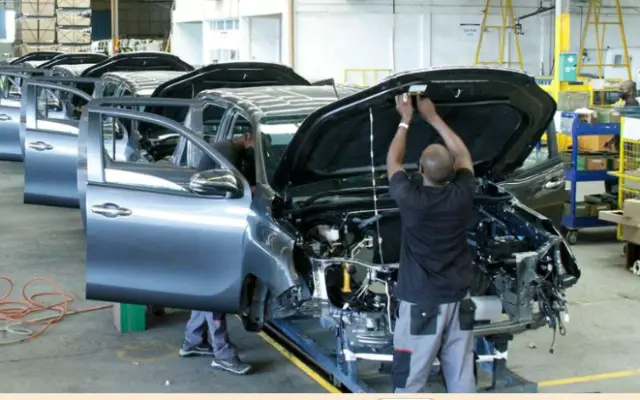
India Auto Component Suppliers’ New Export Opportunity: Kenya’s Simba Corporation’s 7.7 Million MG Assembly Investment
Simba Corporation's $7.7 Million MG Assembly Investment: A Small but Emerging Opportunity for Indian Auto Component Makers
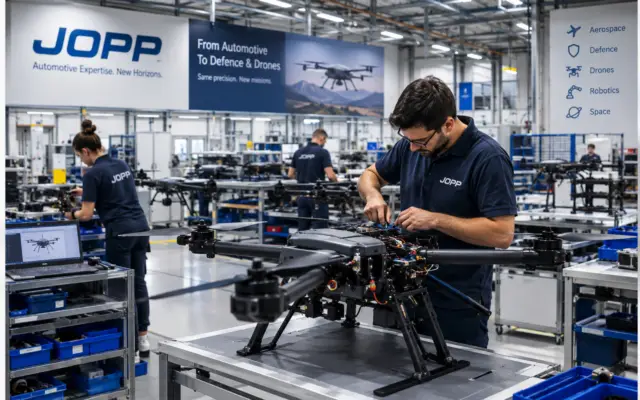
German auto suppliers are turning factories into a second industry as car orders weaken
The shift into drones, defence, space and robotics is no longer just diversification. Suppliers are looking to repurpose...
Hyundai Motor Company supplier base gets ₹1,370 crore boost as Hwashin Automotive, SEOYON E-HWA SUMMIT ANANTAPUR plan Tamil Nadu expansion
Two South Korean automotive component manufacturers, Hwashin Automotive India and SEOYON E-HWA SUMMIT ANANTAPUR have proposed investments totalling...