


Why Maruti Suzuki Raised Prices Three Times in Four Months — And Will the Trend Continue?
Maruti Suzuki has announced another price hike, raising prices by a weighted average of 0.31% across select models—its third increase since August and fourth since June. It is revising prices yet again, putting the spotlight on a market where affordability and pricing power are key.
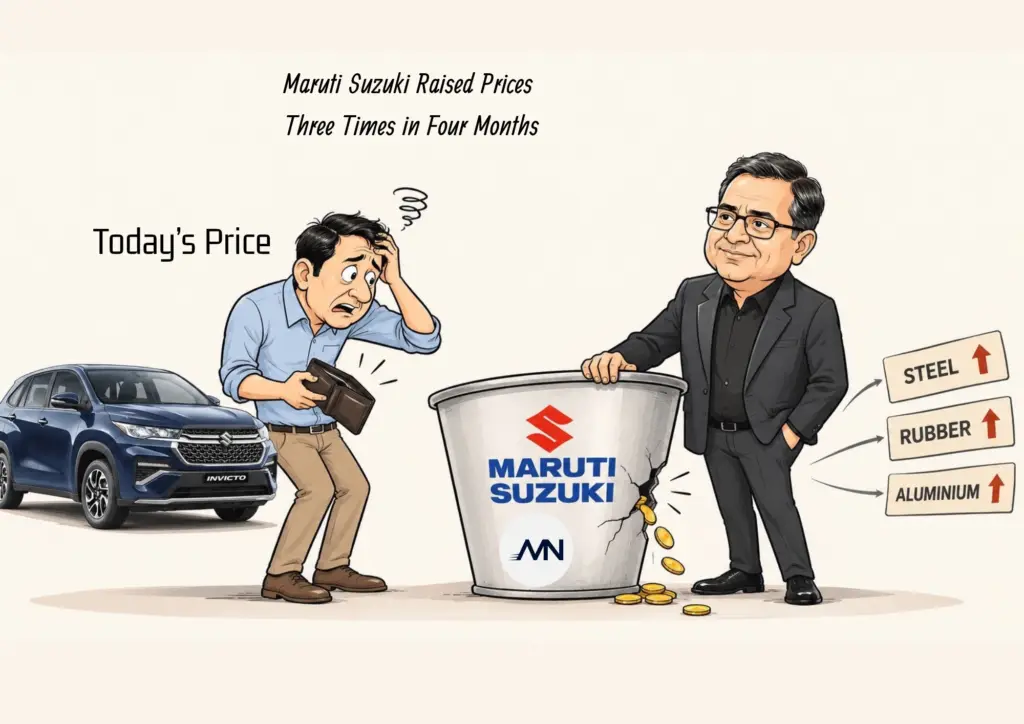
New Delhi: Maruti Suzuki has raised vehicle prices three times between August and November, an unusual sequence for a company whose market leadership has been built partly on affordability. The latest increase, effective November 22, comes as rising input costs squeeze profitability even as India’s largest carmaker records its highest-ever quarterly sales.
Monday’s revision raises prices by a volume-weighted average of 0.31% across select models. It follows increases in September and August, while an earlier revision in June takes the total to four rounds in 2026. The company says sustained cost pressures have made it necessary to pass on part of the increase to customers.
Steel is emerging as the biggest pressure point. Domestic hot-rolled coil (HRC) prices reached ₹77,620 a tonne in October, up 31.6% year on year, according to the Ministry of Steel. Cold-rolled coil prices rose 33.3% to ₹87,010, while galvanised steel increased 33.6% to ₹95,365. Steel is a major component of vehicle bodies, chassis and structural parts, making these increases particularly significant for automakers.
The rise is being driven by more than demand. Higher coking-coal prices have increased steelmaking costs, following supply disruptions and mine closures in China and disruptions in Australia. Post-monsoon construction and infrastructure activity is adding to demand. Coking coal accounts for more than 30% of the production cost of steel made through the blast-furnace route.

The European Union’s Carbon Border Adjustment Mechanism (CBAM), which entered its definitive phase in January 2026, adds another dimension. Alongside the EU’s tighter steel import quotas and 50% duty on shipments beyond allocated limits, it is changing the economics of Indian steel exports. The resulting trade-flow adjustments could influence domestic availability, although CBAM cannot be identified as the direct cause of the HRC price increase.
Other materials present a mixed picture. Natural rubber RSS-4 reached a record ₹300 per kg earlier in November before moderating to ₹271 on November 21, according to the Rubber Board. Despite the correction, tyre manufacturers continue to face elevated costs. Crude prices have also retreated from their September highs, potentially offering relief to petroleum-linked inputs, including synthetic rubber and plastics. However, this benefit takes time to reach automotive supply chains.
Ashim Sharma, an industry expert, Senior Partner and Business Unit Head, Business Performance Improvement Consulting (Auto, Engineering and Logistics) at Nomura Research Institute, expects steel prices to remain elevated. “The price hikes could continue to happen on the back of raw material price increases. Going forward with a high construction demand in the months upto March, steel prices could continue to climb or remain elevated. In addition, Aluminium prices are also expected to remain elevated due to the west Asia conflict,” he said.
The financial pressure is already visible. Maruti’s Q2 FY27 consolidated net profit declined 26.36% to ₹2,466.1 crore, while its reported operating EBITDA margin fell to 9.4% from 12.7% a year earlier. This came despite record quarterly sales of 696,654 vehicles, up 26.5%.
Further price adjustments cannot be ruled out if steel and aluminium remain expensive. Moderating crude and rubber prices could provide some relief, but may not be sufficient to offset increases elsewhere. Maruti must balance cost recovery against affordability and competition. Its repeated revisions underline a wider industry challenge: even record volumes are not enough to shield automakers from a sustained rise in manufacturing costs.
Related Stories
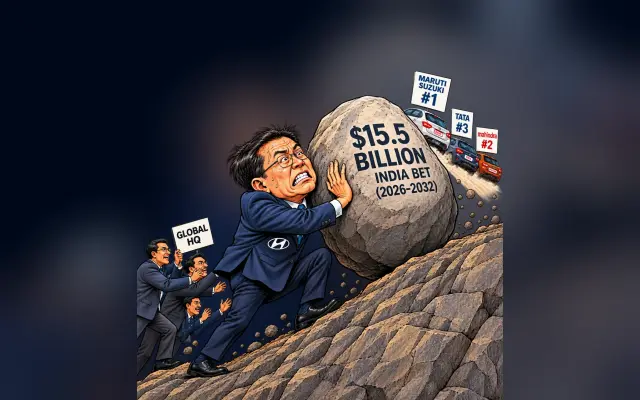
Hyundai’s $15.5bn India bet may not be enough to reclaim No. 2 spot
The Korean group is expanding factories, engineering, suppliers and its product range. But restoring Hyundai’s lost position in...

BMW to launch Alpina in India in 2027, media reports say | Why the top end matters
BMW Group plans to bring Alpina to India in 2027 as a standalone ultra-luxury brand, according to media...
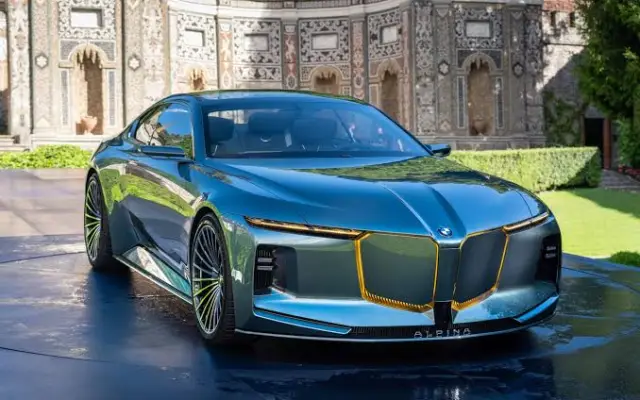
Why are luxury car brands Alpina, Genesis and Denza rushing to India?
A 52,000-unit market with a fast-growing top end, 944,000 millionaires and EU duty cuts on the way is...