


With Global Defence Spending at $2.9 Trillion, Is Defence Becoming Automakers’ Next Diversification Play?
Global defence spending has reached $2.9 trillion, opening new diversification opportunities for automakers and component suppliers in drone manufacturing, defence systems and dual-use technologies. As US and European manufacturers expand into defence, India’s automotive ecosystem could unlock a new growth avenue.
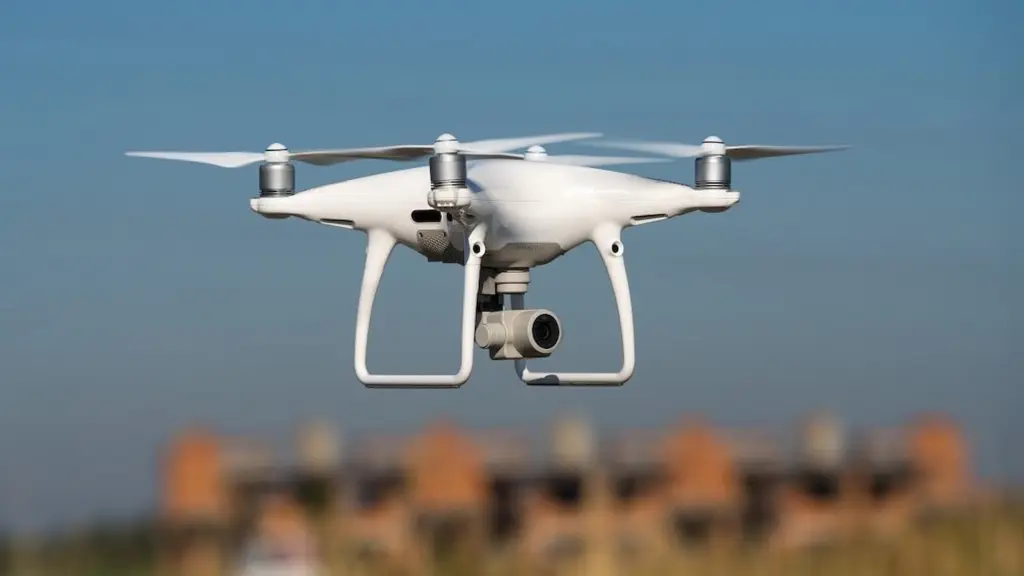
The Pentagon’s preliminary discussions with General Motors, Ford, Magna International and other manufacturers to help scale military drone production signal a new industrial opportunity for the automotive sector: defence could emerge as an additional growth market for companies seeking to monetise manufacturing capacity, engineering expertise and supply-chain capabilities beyond vehicles.
The discussions, first reported by The Wall Street Journal, involve the possibility of automakers supplying drone components including motors, actuators, engines, sensors and lidar. GM is considering drone-motor manufacturing, while defence officials have also engaged Ford and Magna. No agreements have been finalised. Ford has clarified that its discussions with the Pentagon concern military vehicles and other defence products, while its reported drone involvement remains unconfirmed.
The timing reflects a rapidly expanding defence market. Global military expenditure reached $2.887 trillion in 2025, according to the Stockholm International Peace Research Institute (SIPRI), marking the 11th consecutive year of growth. The US alone accounted for a substantial share, while European military expenditure rose sharply amid regional security concerns.
For automotive manufacturers, defence offers a potential outlet for capabilities already developed for commercial production—electric propulsion, precision engineering, electronics, industrial automation, materials and large-scale manufacturing. The Pentagon’s urgency is partly driven by the limitations of smaller drone manufacturers, many of which lack the industrial capacity to meet procurement ambitions measured in hundreds of thousands or millions of units.

The trend is extending beyond the US. In France, automotive suppliers are being drawn into defence manufacturing, including drone programmes. Renault and Thales are collaborating on military drones, while Valeo has developed electric-motor expertise relevant to drone applications. Forvia has also explored interceptor-drone production. Japan, meanwhile, is encouraging automotive suppliers to support its defence industrial base, particularly in unmanned systems, as vehicle manufacturers confront intense competition and declining profitability.
Germany offers another indication of the shift. Rheinmetall is exiting its civilian automotive business to concentrate on defence, selling its Power Systems division as military demand strengthens and the automotive market faces pressure. The move illustrates how defence is increasingly influencing industrial capital allocation and portfolio strategy.
Japan offers one of the clearest examples of this shift, with the government actively encouraging automotive suppliers to enter defence manufacturing, particularly drones. Former Toyota supplier Aster now supplies electric motors for Anduril drones, with defence accounting for around 10% of its revenue; engine-component maker Kyowa Industrial has also seen defence’s share of sales rise to 10%, from 3% in 2025. However, the shift is largely among suppliers rather than major automakers such as Toyota, Honda and Nissan, which remain cautious about entering defence
For India, the opportunity may lie less in automakers directly producing weapons and more in component manufacturers expanding into dual-use technologies. Bharat Forge has already built a defence and aerospace business spanning artillery systems, mobility platforms and unmanned systems. Tata and Mahindra also operate across automotive, defence mobility and strategic manufacturing. These examples show that diversification is already under way, although the broader auto-component ecosystem has yet to fully explore the opportunity.
Indian suppliers specialising in motors, power electronics, battery systems, sensors, lightweight materials, precision machining and embedded electronics could potentially find applications in defence and unmanned platforms, subject to qualification, regulatory and security requirements.
Defence, however, is not an automatic diversification dividend. Procurement cycles can be lengthy, programmes depend on government budgets, and suppliers face stringent certification, export controls and reputational considerations.
The Pentagon’s outreach nevertheless underscores a larger change in industrial thinking. As defence demand grows and manufacturing resilience becomes a strategic priority, automotive factories and component ecosystems are increasingly being viewed as assets that can serve more than one industry. For automakers and suppliers navigating a difficult transition, defence may become not a substitute for mobility, but an increasingly important second growth engine.
Related Stories

Suzuki Motor to manufacture rare metal-free LFP batteries in Japan from October 2029: Report
Suzuki and ELIIY Power will invest ¥44.7 billion ($280 million) to manufacture rare metal-free LFP batteries in Japan...
Here is a research claims to resolve biggest manufacturing bottleneck in oxide solid-state batteries
New processing techniques could reduce the time and energy required to manufacture ceramic electrolytes, addressing a key obstacle...

IndiGo elevates Shaikh Afzal Hossain as Associate Vice President – Cargo
IndiGo elevates Shaikh Afzal Hossain to Associate Vice President – Cargo as the airline strengthens its domestic air-freight...