


Gadkari pitches multi-level urban transport corridors to tackle India’s space crunch
Union Minister Nitin Gadkari has proposed combining roads, flyovers and metro rail on shared pillar-supported structures to make better use of limited urban space. The concept, demonstrated in projects such as Nagpur’s double-decker corridor, could offer congested cities a way to expand transport capacity, though engineering complexity and costs remain key challenges.
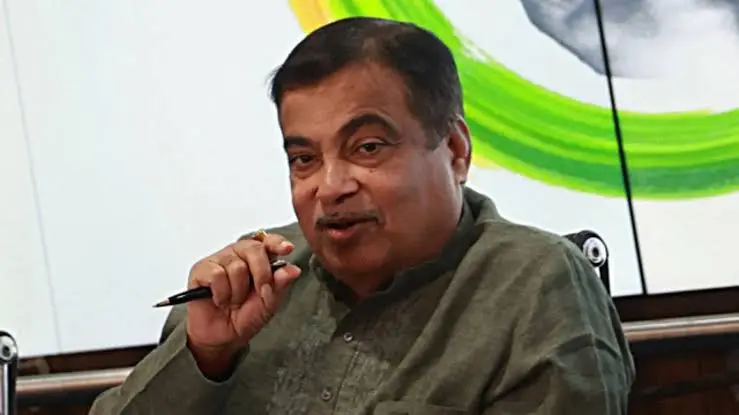
Union Road Transport Minister Nitin Gadkari has proposed integrating roads, flyovers and metro rail on common pillar-supported structures as India looks for ways to expand urban transport capacity without consuming more land, reviving the case for vertically integrated infrastructure in congested cities.
Speaking in West Bengal, Gadkari suggested adopting modern urban engineering models that stack multiple transport systems within a shared structural corridor, allowing cities to make better use of scarce space while improving traffic movement. He cited infrastructure models in Pune and Nagpur as examples of the approach.
The proposition addresses a growing urban infrastructure dilemma: cities need more road capacity and mass transit, but conventional expansion increasingly runs into land constraints, demolition costs, utility conflicts and disruption to existing neighbourhoods. Building transport infrastructure vertically rather than across wider stretches of land could offer an alternative.
India has already demonstrated the engineering concept. Nagpur’s 3.14-km double-decker viaduct carries a highway flyover and metro rail on a common single-column structure, showcasing how two transport networks can occupy the same corridor. The project has previously been highlighted by Gadkari as an example of infrastructure innovation.
The challenge, however, lies in replicating such structures across different urban settings. Shared corridors require careful planning of foundations, load distribution, vibration management, construction sequencing, passenger safety, maintenance access and the integration of existing utilities. Project costs and the ability to build without severely disrupting traffic would also determine their viability.

Gadkari’s proposal signals a shift towards squeezing more capacity out of existing urban corridors rather than relying solely on widening roads or constructing standalone flyovers. For India’s crowded cities, the idea could offer a new infrastructure template—but its success will depend on whether engineering efficiencies translate into commercially viable projects and measurable improvements in urban mobility.
Related Stories

IndiGo elevates Shaikh Afzal Hossain as Associate Vice President – Cargo
IndiGo elevates Shaikh Afzal Hossain to Associate Vice President – Cargo as the airline strengthens its domestic air-freight...

Swap, Charge, Share: How Cross-Stakes Could Fix India’s EV Charging Headache
Picture this. Two of China's biggest EV rivals, who spent years fighting for the same buyer, suddenly decide...