


ZF takes hybrid drivetrains into heavy machinery, targeting cranes and special-purpose vehicles
ZF is taking hybrid powertrain technology beyond road vehicles and into mobile cranes and heavy machinery. The commercial proposition is less about peak motor power and more about fuel savings, operating efficiency and the economics of electrifying equipment.
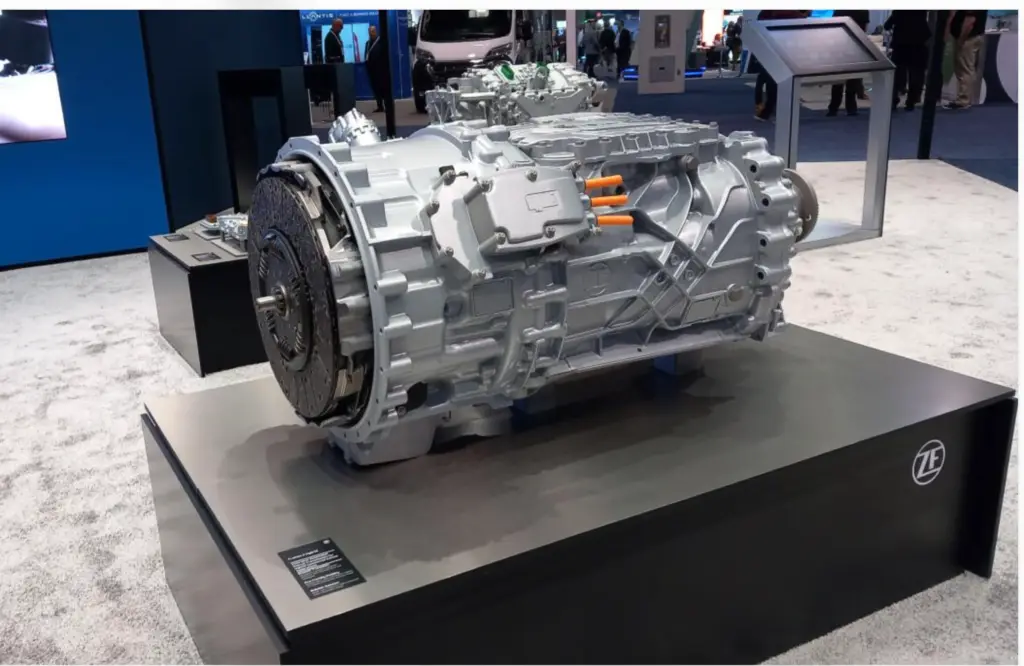
German technology supplier ZF Friedrichshafen AG, is extending hybrid powertrain technology beyond road vehicles into mobile cranes and heavy special-purpose machinery, targeting equipment where electrification must balance high power requirements with long operating hours and demanding duty cycles.
ZF’s TraXon Hybrid 2 combines its 12-speed TraXon 2 automated manual transmission with a high-voltage electric drive. The permanent-magnet synchronous motor delivers up to 225 kW of peak power and 190 kW over 30 minutes. The system also incorporates a planetary gearset and silicon-carbide inverter.
The architecture is designed to allow machinery to manoeuvre or operate certain functions electrically while retaining a combustion engine for road travel and sustained power requirements. Depending on the application, it can support electric crane operation, regenerative braking and plug-in hybrid capability.
The commercial proposition is potentially significant for equipment manufacturers. Rather than electrifying an entire vehicle, hybrid transmission technology offers a route to electrify selected operating phases, particularly low-speed movement, worksite activity and stop-start cycles, where diesel engines may otherwise consume fuel without operating at their most efficient load.

For crane operators and fleet owners, the business case will ultimately rest on fuel savings, operating hours, energy recovery, maintenance costs and the additional purchase price. The economics could vary sharply between equipment used intensively in urban projects and machinery deployed intermittently at remote sites.
ZF is positioning the technology as an integration option for existing vehicle architectures, potentially lowering the engineering barrier for OEMs considering hybridisation.
The move points to an emerging market for hybrid powertrains in off-highway equipment, where battery-electric solutions remain constrained in some applications by energy demand, operating duration and charging infrastructure. Commercial adoption, however, will depend less on headline motor power than on measurable lifecycle savings for equipment owners.
Related Stories
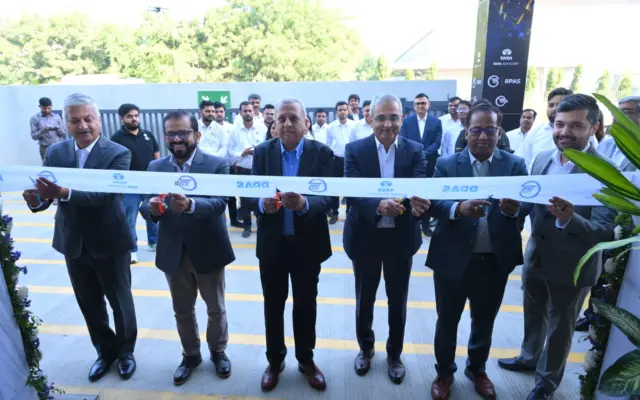
Tata AutoComp opens three more plants in Sanand, taking its Gujarat cluster to 10: Is the supplier building ahead of Tata Motors’ 300,000-unit expansion?
Tata AutoComp Systems has opened three plants in Sanand, Gujarat, for trims, seat foam and stampings, taking its...
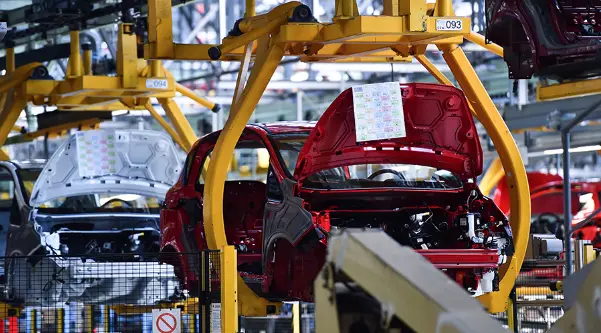
Auto PLI review: Sales must grow 2.7 times a year to hit the INR 2.3 lakh crore target by FY28
Three years into the INR 25,938 crore auto PLI scheme, investment has passed its five-year target at INR...

“Egypt targets 60% vehicle local content as it steps up automotive component localisation”
Egypt’s ambition to move beyond vehicle assembly towards domestic automotive manufacturing could create new opportunities for component suppliers,...