


CATL wants to own the battery ecosystem, not just supply carmakers
With 6,000 swap stations planned by 2027, aircraft battery deals and a growing infrastructure play, the Chinese giant is moving closer to the customer as cell margins come under pressure. CATL is no longer content to sell batteries to carmakers.
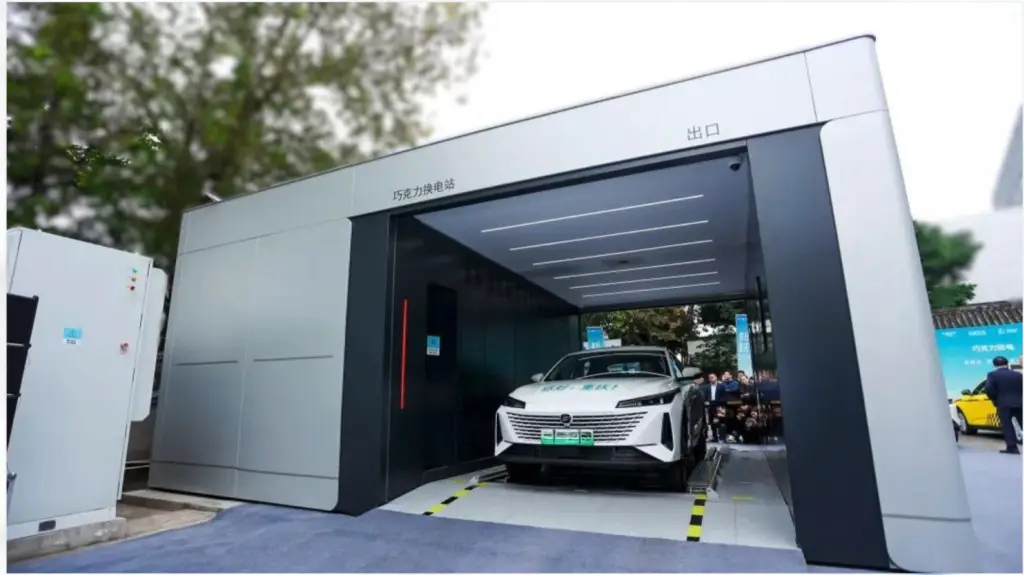
With 6,000 swap stations planned by 2027, aircraft battery deals and a growing infrastructure play, the Chinese giant is moving closer to the customer as cell margins come under pressure. CATL is no longer content to sell batteries to carmakers.
The world’s largest EV battery supplier is increasingly looking to own the infrastructure, technology and customer relationships built around them, a strategic shift that could reshape where the automotive industry captures value.
The Chinese company had 2,520 battery-swapping stations operating across 200 cities by September 29 and is targeting 6,000 by 2027. Its Choco-Swap network, relaunched around standardised battery packs in late 2024, ended last year with 1,020 stations. The latest expansion plan calls for 5,000 urban stations and 1,000 highway locations across 297 cities, with swaps taking less than 10 minutes in core urban areas.
At a November 14 event in Shenzhen, chairman Robin Zeng said the ecosystem would combine battery swapping, ultra-fast charging and vehicle-to-grid technology.

CATL is also extending its battery business into aviation. It signed exclusive supply agreements this month with electric aircraft developers Blue Vector and EVT Aerotechnics, although neither deal disclosed financial terms, battery specifications or delivery timelines. In August, CATL said its 350 Wh/kg aviation battery was ready for series production, with AutoFlight as its first customer.
From battery supplier to ecosystem owner
The expansion comes as CATL’s financial growth shows a widening gap between sales and earnings. Third-quarter revenue rose 58.6% to CNY 165.22 billion, while net profit increased 14.5% to CNY 21.25 billion. Diversification of battery sourcing by Chinese automakers is adding to competitive pressure.
Battery swapping offers CATL a different form of leverage. Carmakers adopting standardised packs and customers subscribing to swap services become tied to an infrastructure network that is expensive to replicate. Every vehicle and partner added potentially strengthens that ecosystem.
The scale of the ambition is considerable. CATL needs to add 3,480 stations by the end of 2027, roughly 230 a month over the next 15 months. Infrastructure utilisation, battery inventory and capital recovery will determine whether the network becomes a competitive moat or a costly expansion.
India’s strategic question
India has more than 3,000 swapping stations serving over 250,000 EVs, according to a June 2026 report by CEEW, IBSA and CII, largely catering to two- and three-wheelers. The ecosystem remains operator-led, with companies such as Battery Smart and Indofast, rather than cell manufacturers.
CATL’s strategy raises a bigger question for Indian automakers: who will own the battery ecosystem — the vehicle maker, the cell supplier or the infrastructure operator? As local battery manufacturing expands, control over standards, swapping infrastructure and customer subscriptions could become as strategically valuable as the battery itself. The next battle in electrification may not be over who makes the cell, but who controls what happens after it leaves the factory.
Related Stories
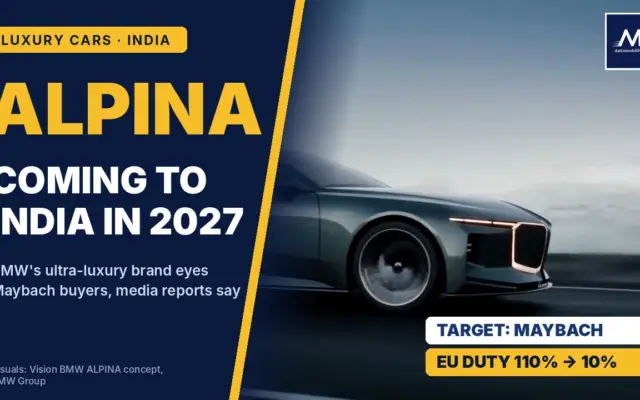
BMW to launch Alpina in India in 2027, media reports say | Why the top end matters
BMW Group plans to bring Alpina to India in 2027 as a standalone ultra-luxury brand, according to media...
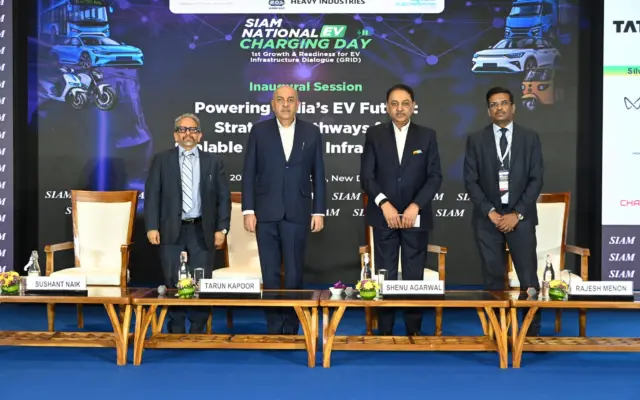
India’s EV charging race is moving beyond charger counts to network performance
SIAM's first National EV Charging Day puts operational reliability, commercial viability and expansion beyond metros at the centre...
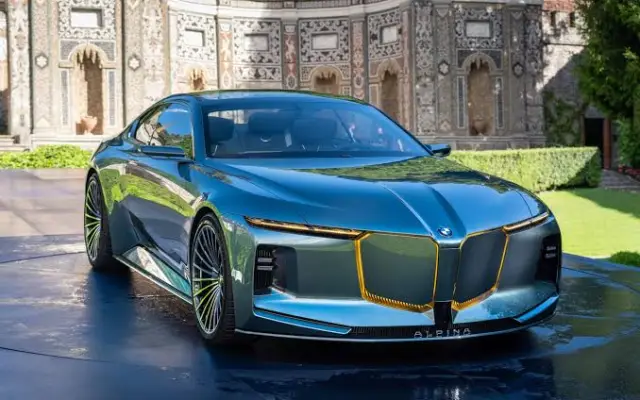
Why are luxury car brands Alpina, Genesis and Denza rushing to India?
A 52,000-unit market with a fast-growing top end, 944,000 millionaires and EU duty cuts on the way is...