


Tata Motors to raise car and SUV prices 0.5% from December 1 over input costs, EVs included this time
Tata Motors will raise car and SUV prices by an average of 0.5% from December 1, its fourth increase of 2026. Unlike its April hike, this one includes its EV range, which is about 22% of its dispatches, as a weaker rupee raises the cost of imported components.
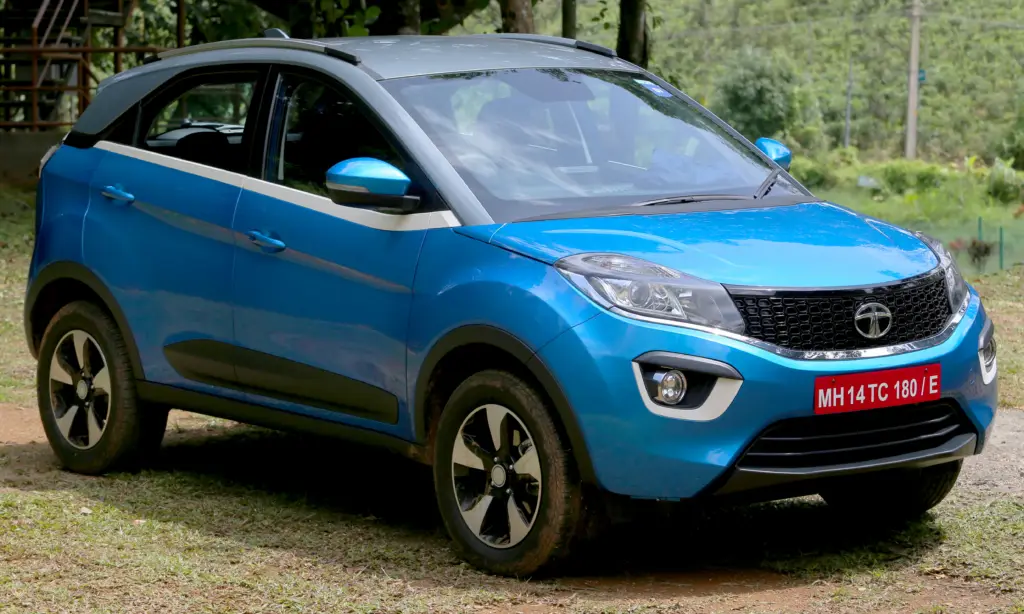
Indian automaker Tata Motors Passenger Vehicles (TMPV) will raise prices across its car and SUV range by an average price increase of 0.5 percent, effective from December 1, 2026, citing input costs. The revision covers both internal combustion engine (ICE) and electric vehicles (EVs), and the exact increase varies by model and variant. This will be Tata Motors’ fourth price revision in 2026. dnaindianewsdrum
On a car priced at INR 10 lakh (USD 10,716), the rise comes to roughly ₹5,000 (USD 54). Tata said “a part of the impact is being passed on to customers through this increase”, and it is absorbing the rest. Its peers have moved too. Maruti Suzuki raised prices on select models by about 0.31% from November 22, Hyundai Motor India will add up to Rs 8,000 on select models from December 1, and Audi will raise prices by up to 2% from January 1, 2027. gujaratsamachardnaindia
What sets Tata’s revision apart is the electric range. Its previous increase, announced in March, applied only to combustion-engine models: the weighted average price increase will be 0.5 % of ICE portfolio. EVs are now included, and they carry more weight than before. Combined EV dispatches reached 16,244 units in October, up 75% year on year, against total dispatches of 75,426 units. That makes EVs about 22% of the company’s volume. tatamotors
Tata has not said which costs have risen. The weaker rupee is the clearest pressure on an EV’s bill of materials. It ended the session at 93.32 against the dollar on November 19, compared with 88.64 a year earlier. That is about 5% more for any component priced in dollars, and battery cells and power electronics are largely imported. The numbers suggest the rupee, more than domestic steel, explains why EVs are now in the hike.

The increase is the same 0.5% on both types of car, so the gap between an EV and its petrol equivalent widens in rupees. It comes just as Tata’s electric volumes are rising fastest. December registrations will show whether buyers notice.
Related Stories

Xiaomi cars enter UAE market through Gargash Prime, prices start at AED 169,900
Xiaomi has entered the UAE car market through Gargash Prime, with three models listed at prices starting from...

Why Maruti Suzuki Raised Prices Three Times in Four Months — And Will the Trend Continue?
Maruti Suzuki has announced another price hike, raising prices by a weighted average of 0.31% across select models—its...

Hyundai’s $15.5bn India bet may not be enough to reclaim No. 2 spot
The Korean group is expanding factories, engineering, suppliers and its product range. But restoring Hyundai’s lost position in...