


EVs added 1.76 lakh units to festive sales; non-EV retail fell as India’s market hit a record
Electric vehicles accounted for more than the entire 1.20-lakh-unit increase in festive retail. Strip out EVs and the market contracted 1.11%, with non-electric passenger-vehicle sales falling 10.27%.
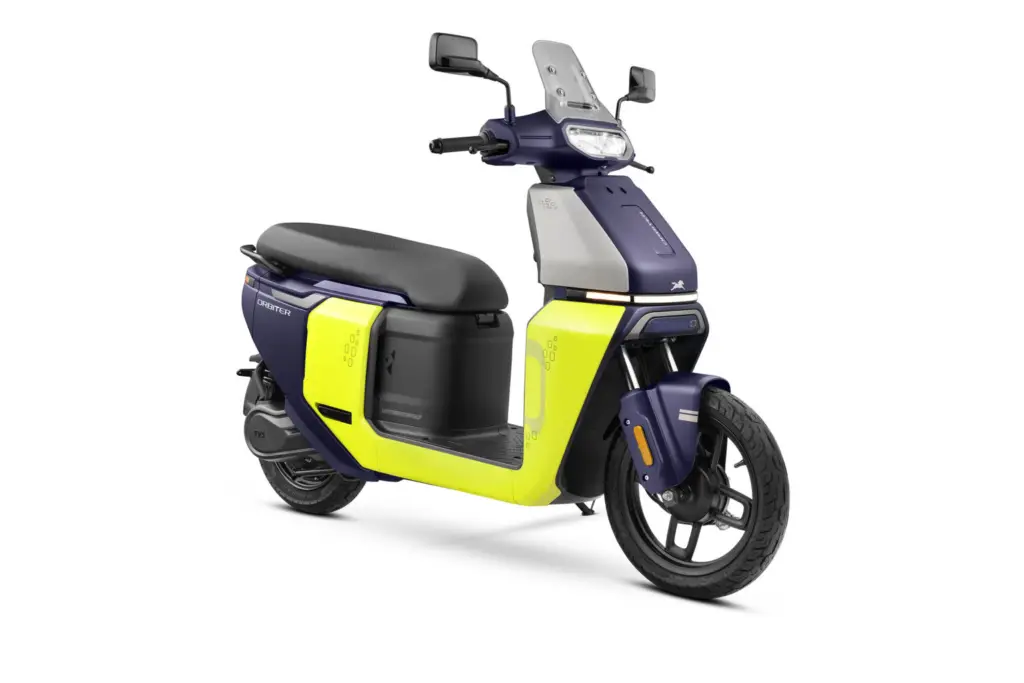
India’s record festive vehicle sales concealed a contraction in the non-electric market. Electric vehicles added 1,75,732 units during the 42-day festive period, exceeding the entire automobile market’s net increase of 1,19,534 units, according to an Automobility Next analysis of retail data released by the Federation of Automobile Dealers Associations (FADA) on 23 November.
Total vehicle retail rose 2.21% year-on-year to 55,25,490 units. EV registrations, however, climbed 52.62% to 5,09,667. Excluding EVs, retail fell 1.11% to 50,15,823 units from 50,72,021 a year earlier. The decline amounts to 56,198 vehicles.
The divergence suggests that electric mobility is becoming an increasingly important source of incremental demand, even as the wider market struggles to sustain growth. FADA’s figures show that EVs accounted for 9.22% of festive retail, against 6.18% in the previous year.
Passenger vehicles show the sharpest divide

The contrast is most pronounced in passenger vehicles. Total PV retail fell 7.16% to 7,48,616 units, while electric passenger-vehicle registrations rose 72.91% to 52,104. On this basis, non-electric PV retail declined 10.27% to 6,96,512 units.
The shift is not confined to cars. Non-electric three-wheeler retail fell 16.65%, while electric models accounted for 62.16% of the segment’s festive sales. In two-wheelers, electric registrations increased 61.10% to 3,30,846. They contributed about 82% of the segment’s total year-on-year volume addition, leaving non-electric two-wheeler growth at less than 1%.
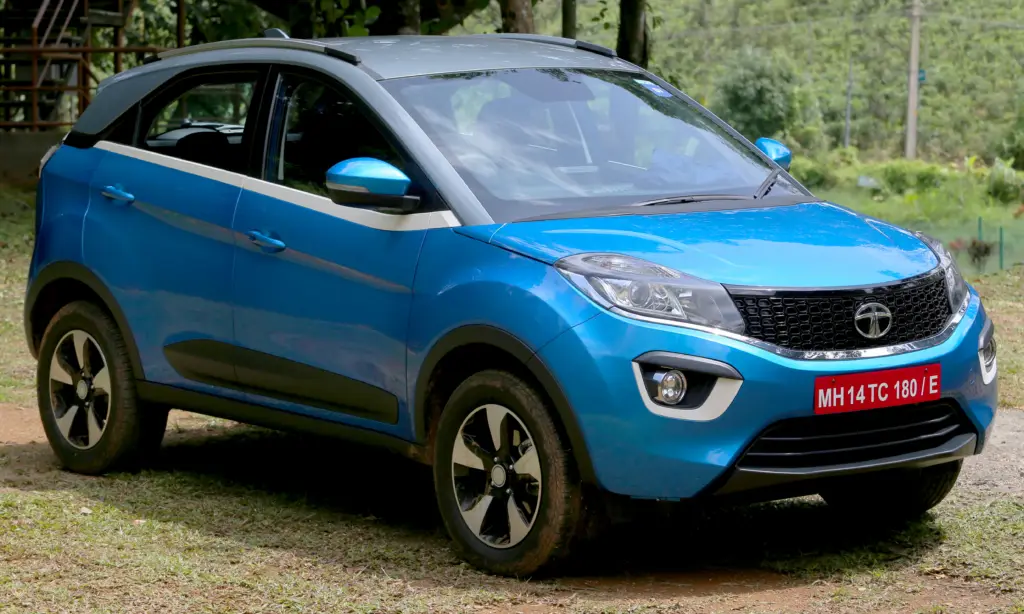
Commercial vehicles, tractors and construction equipment present a different picture. Their growth remains largely outside the EV-led passenger and personal-mobility shift, with total retail rising 7.13%, 2.24% and 26.06%, respectively.
A record market, but a more complicated demand picture
The comparison needs context. The 2025 festive period ran from 22 September to 2 November, while the 2026 period covered 11 October to 21 November. Last year’s festive window also coincided with the implementation of GST 2.0 rate cuts, which FADA has described as an unusually strong base. The association says passenger-vehicle retail was still down 7.16% year-on-year, although the two-year comparison showed growth of 16.43%.
That longer view is important: non-EV retail remains above its 2024 festive level. The latest figures therefore do not establish a structural collapse in combustion-engine demand. They do, however, point to a change in where incremental retail growth is coming from.
For automakers, the implications extend beyond EV market-share gains. Passenger-vehicle manufacturers will have to assess whether their growth plans are sufficiently aligned with the shift in consumer demand, while engine and transmission suppliers face a more complex volume outlook. Dealers, meanwhile, must manage inventory and investment across powertrains without assuming that the overall market’s growth rate applies equally to every category.
The next test will be whether the festive EV surge carries into the post-festive months. If it does, manufacturers may have to accelerate product, capacity and distribution decisions around electric models. If it does not, the record festive tally could prove to be a temporary demand spike rather than evidence of a broad-based transition.
FADA says India is approaching its first year of more than three crore vehicle retail registrations. But the festive data raises a more consequential question for the industry: can the market sustain that milestone if growth in conventional powertrains continues to weaken?
Related Stories
Ford Middle East Breaks Ground on New Business Operations and Technical Centre in hashtag Dubai, Strengthening Regional Presence
The 4,368-square-metre facility at EZDubai Logistics Hub will bring Ford’s product development, quality, training and operations teams under...
Ola Electric’s cost reset gathers pace, but shrinking sales remain the bigger test
Ola Electric’s latest results point to a business becoming cheaper to run, but not yet one that is...

AI influences car buying, but 90% of consumers still purchase through dealerships: Bain & Company
Survey of 12,351 consumers highlights regional differences in buying priorities, EV adoption barriers and growing competition for automakers