


Record car sales and a 22.9% jump in GST, yet factories are slowing: What it means for you
India's factory growth score averaged 54.29 in April-October 2026, down from 58.50 a year ago. Factories are still growing, but more slowly. Car sales and GST collections surged in October. But compared with last year, car sales growth nearly halved as the boost from last year's GST cut faded, which leaves both factories and tax revenue leaning on one industry.
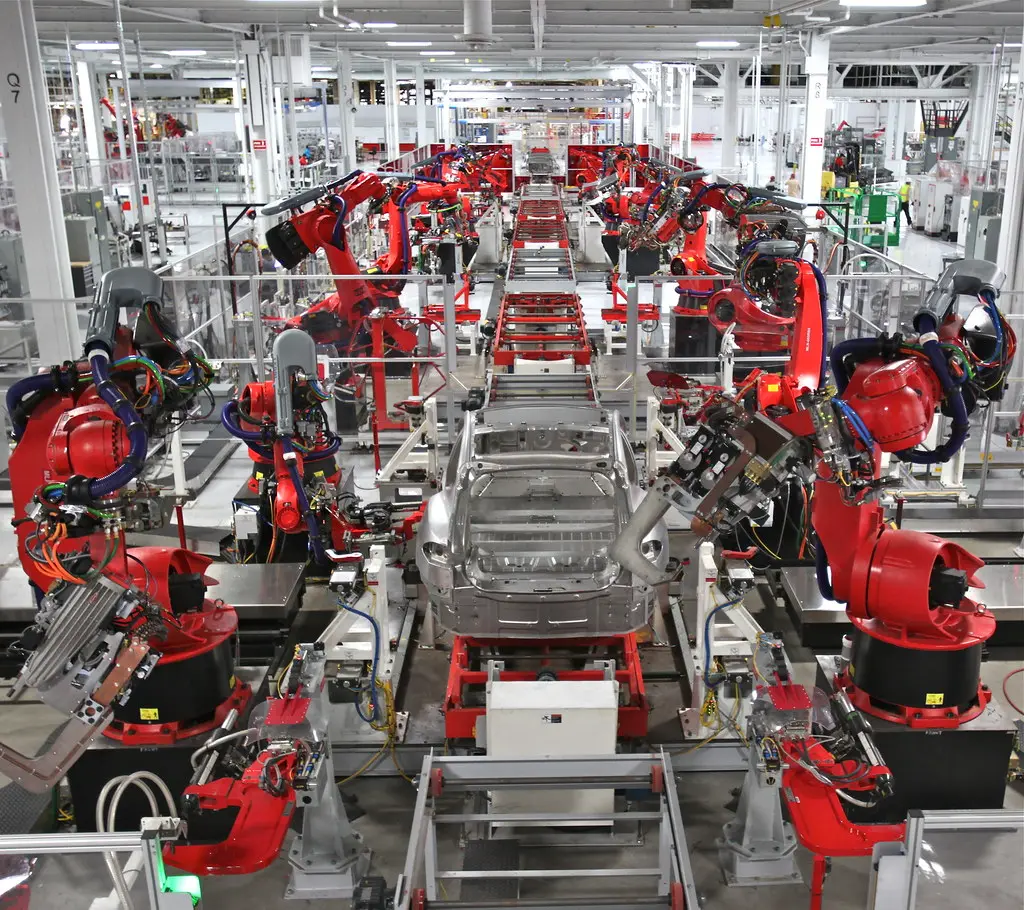
Indian factories are still growing, but more slowly than a year ago. A widely watched factory survey scored 54.29 on average in April-October 2026, the first seven months of this financial year. In the same months last year the average was 58.50.
The survey is the HSBC India Manufacturing PMI, compiled by S&P Global. Each month it asks about 400 manufacturers whether orders, output, hiring and other measures are better or worse than the month before.
A score above 50 means factories are growing; below 50 means they are shrinking. The score has stayed above 50 every month this year, so manufacturing has not shrunk. But it fell to 53.5 in July and 52.8 in August, the slowest growth since August 2021, when it stood at 52.3. In the same two months last year the scores were 59.1 and 59.3, close to an 18-year high.
The car industry is moving the other way. Between September and October the factory score dipped slightly, from 55.1 to 54.7. Over the same month, figures from carmakers’ body SIAM show passenger vehicle sales to dealers rose 14.2% to 5,19,060 units, the best October on record. Two-wheeler sales rose from 24.63 lakh to 25.78 lakh units. Government GST collections also climbed, from INR 2.04 lakh crore (USD 21.8 billion) in September to INR 2.31 lakh crore (USD 24.7 billion) in October.

There is a catch. Compared with October last year, car sales grew 12.4%, down from 21.8% growth in September. The reason is last year’s GST tax cut on vehicles, which took effect on September 22, 2025. September 2025 had only nine days of cheaper prices, so this September looked very strong against it. October 2025 had a full month of them, so the comparison is now tougher. Two-wheelers held up better, with growth rising from 13.5% to 16.1%, and three-wheelers jumped from 16% to 25.7%.
The government’s own factory figures show why car plants matter so much. In the Index of Industrial Production, which measures what factories actually produce, manufacturing grew 7.6% in September, against 5.5% a year earlier.
Output of vehicles and their parts grew 19%, after 25.2% in August. SIAM says vehicle production in October was 28.64% higher than a year earlier. The survey measures how many factories feel things are improving, not how much they produce. A boom in one big industry can therefore sit alongside a survey that shows a broad slowdown.
That car boom is also lifting tax revenue. Finance Ministry data show gross GST collections rose 22.9% in October from a year earlier, which media reports called the fastest growth in more than four years. From April to October they rose 13.2% to INR 14.77 lakh crore (USD 158.3 billion).
Much of October’s jump came from tax on imports, up 42.2%, partly because a weaker rupee makes imported goods costlier. GST on goods bought inside India grew a slower 15.8%, and only 6.1% between April and September. As car sales stop benefiting from the comparison with last year’s tax cut, this extra GST from higher volumes should shrink.
For workers, suppliers and the government, the worry is that too much depends on one industry. If car sales slow now that the tax-cut boost is fading, both factory growth and GST collections lose their biggest support. GDP figures for July-September, due on November 30, and November’s GST numbers, due in early December, will show whether two-wheelers and exports can fill the gap.
Related Stories
Caterpillar makes collision-warning technology standard on construction equipment
The US equipment major will make advanced collision-warning and mitigation systems standard on most new Cat construction machines...

Costlier steel, weaker farm incomes, a fading GST cut: Are India’s tractor makers pricing farmers out before the rabi season?
Costlier steel, weaker farm incomes, a fading GST cut: Are India’s tractor makers pricing farmers out before the...

Five Pillars for an Industry Under Siege: A View from Four Decades
Forty years after joining the auto industry, Vinay Piparsania argues that geopolitics, policy, product, energy and supply chains...