


Research claims advanced sintering targets manufacturing bottleneck in oxide solid-state batteries
New processing techniques could reduce the time and energy required to manufacture ceramic electrolytes, addressing a key obstacle to scaling next-generation EV batteries
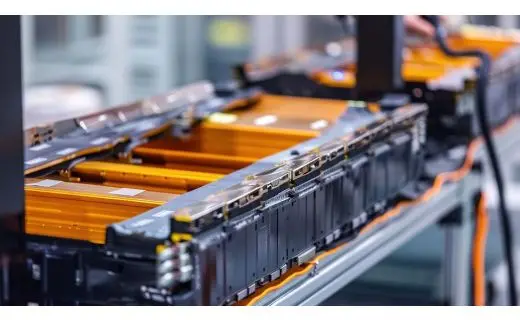
The race to commercialise solid-state batteries is increasingly focusing on a manufacturing challenge: how to produce dense, defect-free oxide electrolytes without lengthy, energy-intensive processing. Researchers are exploring advanced sintering techniques to overcome this obstacle, potentially improving the economics and scalability of a battery technology considered central to the next generation of electric vehicles.
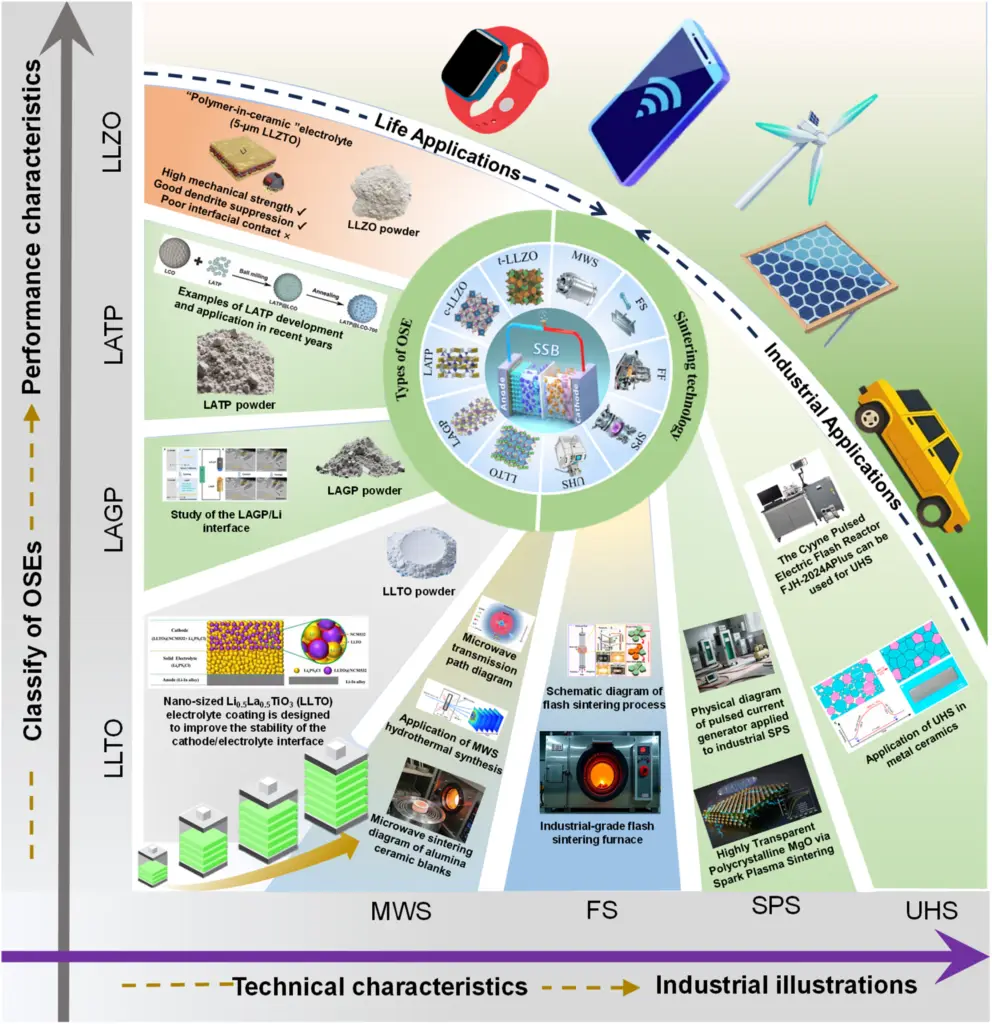
A review published on November 27 in the Royal Society of Chemistry’s Chemical Science, UK, titled Advanced sintering technology for oxide solid-state electrolytes, examines how emerging processing methods could address the difficulties involved in manufacturing oxide-based solid electrolytes.
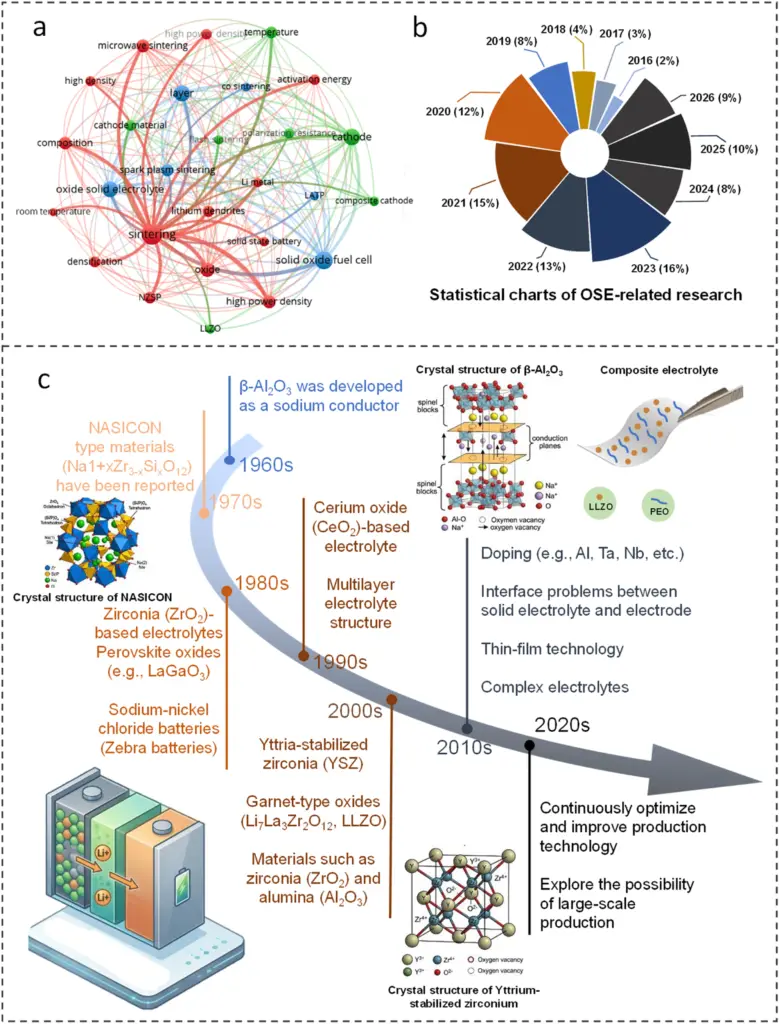
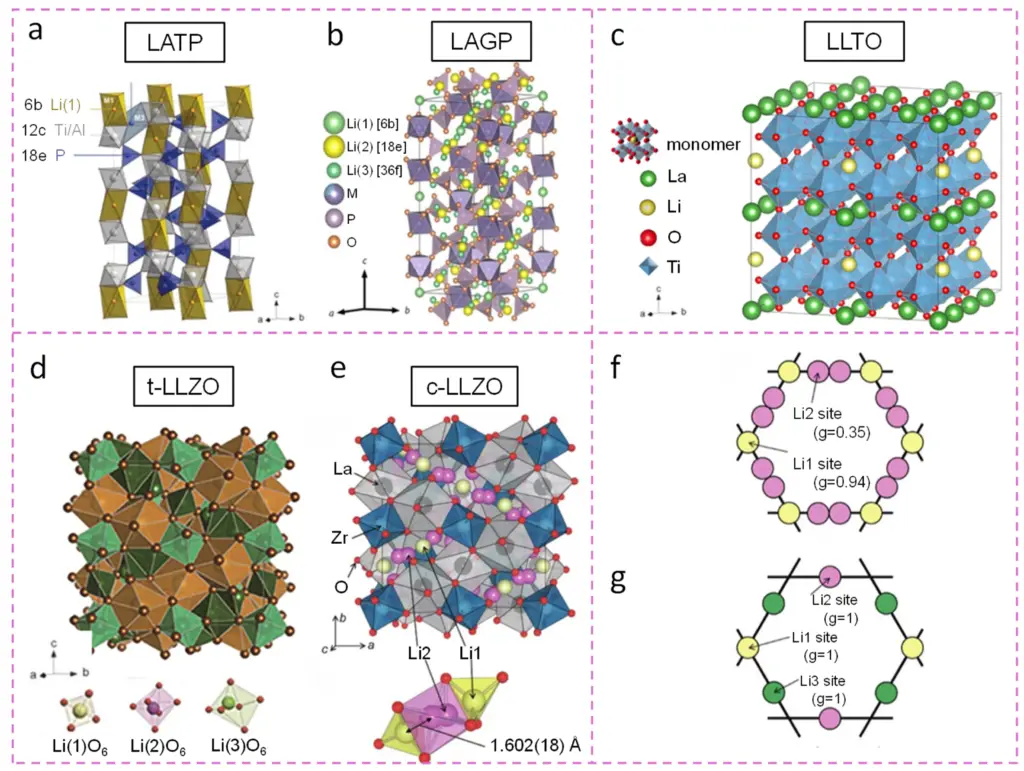
Oxide electrolytes, particularly lithium lanthanum zirconium oxide (LLZO), are attracting attention because of their chemical stability and potential compatibility with lithium-metal anodes. By replacing the liquid electrolyte used in conventional lithium-ion batteries with a solid material, these batteries promise improved safety and potentially higher energy density.
However, producing a dense, defect-free ceramic electrolyte requires temperatures that can exceed 1,000°C, often maintained for several hours. Conventional sintering can consume substantial energy, cause lithium loss and complicate the production of thin, uniform electrolyte layers.

An experimental study published separately in RSC Advances in 2026 offers an indication of how this manufacturing constraint could be addressed. Researchers demonstrated microwave-assisted sintering of LLZO, achieving approximately 94% density in less than 30 minutes, compared with around six hours using conventional processing.
The researchers reported that the resulting electrolyte achieved conductivity performance “within the same order of magnitude as conventional sintering”. The result suggests that faster ceramic processing may be possible without a corresponding loss of ionic transport performance. However, the study does not establish commercial-scale production or demonstrate a complete automotive battery using the processed electrolyte.
That distinction matters. Faster production of an electrolyte component does not automatically translate into a commercially viable battery. Electrode-electrolyte interfaces, mechanical durability, lithium dendrite penetration, production yields and manufacturing consistency remain significant challenges.
The commercial timeline remains uncertain. Solid-state batteries are still progressing through prototype and validation stages, and automotive-scale deployment will require further testing and manufacturing investment.
The significance of advanced sintering is therefore not that it makes oxide solid-state batteries commercially ready. It addresses a fundamental obstacle to getting them there: making their ceramic electrolytes faster, more consistently and potentially at lower cost.
Related Stories
Suzuki Motor to manufacture rare metal-free LFP batteries in Japan from October 2029: Report
Suzuki and ELIIY Power will invest ¥44.7 billion ($280 million) to manufacture rare metal-free LFP batteries in Japan...

Archer’s UAE air taxis now to fly before 2028, after Q1 2026 target, Joby Aviation to start in 2026
US electric air-taxi maker Archer Aviation aims to start passenger operations in the UAE before its planned service...
Caterpillar makes collision-warning technology standard on construction equipment
The US equipment major will make advanced collision-warning and mitigation systems standard on most new Cat construction machines...