


Samsung and Hyundai Expand Partnership Across 3 Future Mobility Technologies
Samsung and Hyundai expand partnership from car parts into robotics, energy and AI South Korean conglomerates seek to expand cooperation beyond component supplies as competition intensifies.
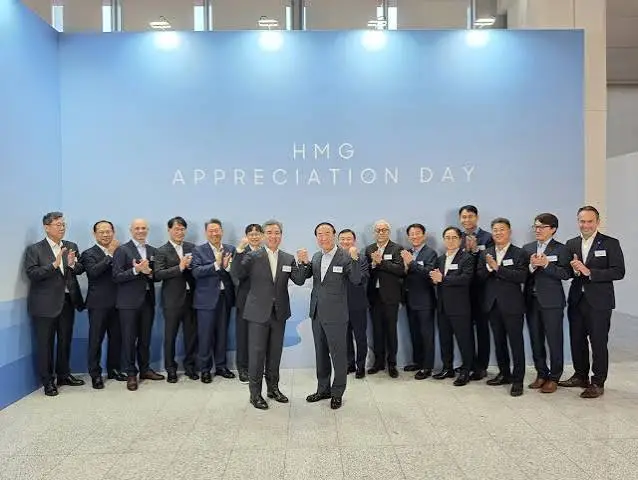
Samsung Group and Hyundai Motor Group are expanding their strategic partnership beyond automotive component supplies. The two South Korean conglomerates are exploring opportunities in robotics, energy and physical artificial intelligence (AI). The move reflects growing competition in next-generation mobility technologies.
The development follows a high-level meeting between executives of the two groups at Samsung Electronics’ Seocheon training centre on November 9. Both sides signalled plans to strengthen cooperation across future mobility businesses. The event brought together 177 executives and employees and highlighted ambitions to build a broader strategic partnership.
Samsung showcased its automotive semiconductor portfolio, next-generation battery technologies, camera modules, automotive displays and electronic control systems. Samsung SDI presented its all-solid-state battery technology, while Harman demonstrated central control units and telematics solutions for software-defined vehicles.
Hyundai Motor Group Vice Chairman Jaehoon Chang said cooperation was expanding beyond vehicle components, including batteries and automotive electronics, into robotics and energy. Samsung Electronics Vice Chairman Jun Young-hyun said combining Hyundai’s mobility expertise with Samsung’s technology portfolio could create new business opportunities.

The expanding Samsung Hyundai partnership builds on existing commercial ties. Samsung SDI signed its first electric vehicle battery supply agreement with Hyundai Motor in 2023. The agreement covers prismatic battery cells for vehicles sold in Europe between 2026 and 2032.
The companies are also exploring next-generation battery technologies. South Korean media have reported joint patent filings involving Samsung SDI, Hyundai Motor and Kia. These reportedly include developments related to battery safety and all-solid-state battery technology.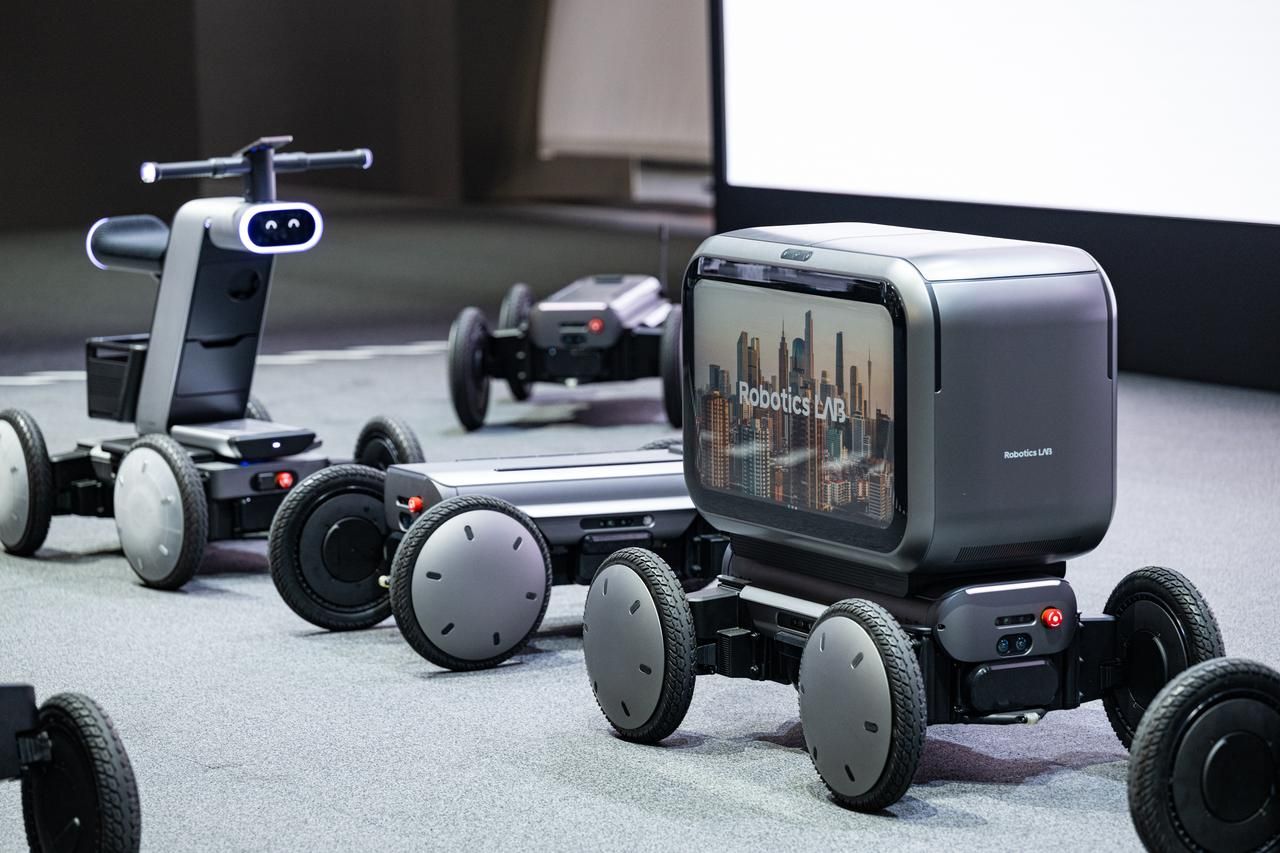
The broader Samsung Hyundai partnership comes as global automakers face increasing pressure to secure advanced battery technologies, automotive semiconductors and software capabilities. Competition from Chinese manufacturers is also accelerating the need for stronger technology partnerships.
Robotics and physical AI could become important areas of future collaboration. These technologies are increasingly relevant to autonomous systems, intelligent manufacturing and next-generation mobility applications.
However, neither company disclosed new investment commitments, production targets or a specific commercialisation timeline for the expanded partnership.
For now, the significance of the Samsung Hyundai partnership lies in its broader strategic direction. The relationship is moving beyond component procurement towards closer cooperation in technology development, robotics, energy and future mobility.
Related Stories
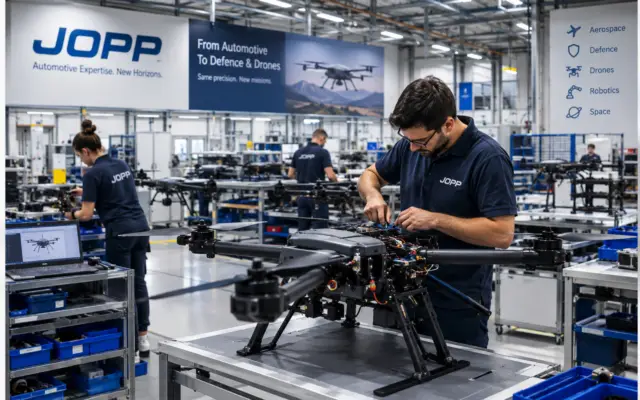
German auto suppliers are turning factories into a second industry as car orders weaken
The shift into drones, defence, space and robotics is no longer just diversification. Suppliers are looking to repurpose...
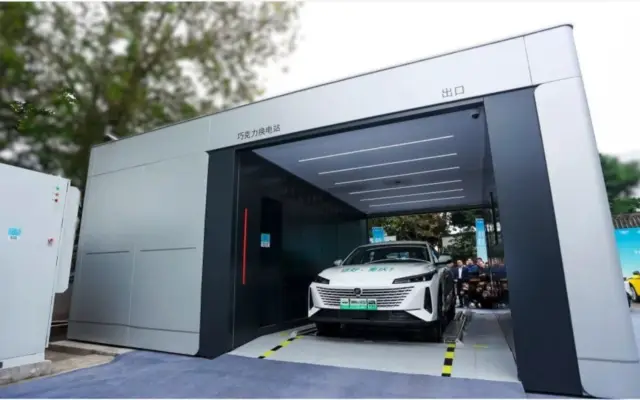
CATL wants to own the battery ecosystem, not just supply carmakers
With 6,000 swap stations planned by 2027, aircraft battery deals and a growing infrastructure play, the Chinese giant...
Kinetic Engineering Q2 FY27 Consolidated Revenue Nearly Doubles to Rs 78.31 Crore
The company’s consolidated revenue increased 99% year on year, supported by the growing contribution of its electric vehicle...