


Saudi’s Ceer borrows SAR 2.6 billion for its factory push: Can a premium launch win a market BYD is running away with?
Saudi’s Ceer borrows SAR 2.6 billion for its factory push: Can a premium launch win a market BYD is running away with? The USD 693 million bank loan comes four months before first deliveries. Of the roughly 1 million cars Saudis buy each year, only 10,000–20,000 are electric.
Saudi’s Ceer borrows SAR 2.6 billion for its factory push: Can a premium launch win a market BYD is running away with?
The USD 693 million bank loan comes four months before first deliveries. Of the roughly 1 million cars Saudis buy each year, only 10,000–20,000 are electric.
Saudi Arabia’s Public Investment Fund-controlled EV maker Ceer has signed a financing agreement worth about SAR 2.6 billion (USD 693 million) with Arab National Bank (ANB) and Riyad Bank. The Saudi Press Agency reported the deal on 18 November. It was signed at Ceer’s headquarters in Riyadh.
The company said the money will support its expansion plans. It did not disclose the loan’s tenor, its pricing or how it is split between the two banks.

“This agreement reflects ANB and Riyad Bank’s confidence in Ceer’s business model and long-term outlook,” said Joerg Schuessler, Chief Financial Officer of Ceer.
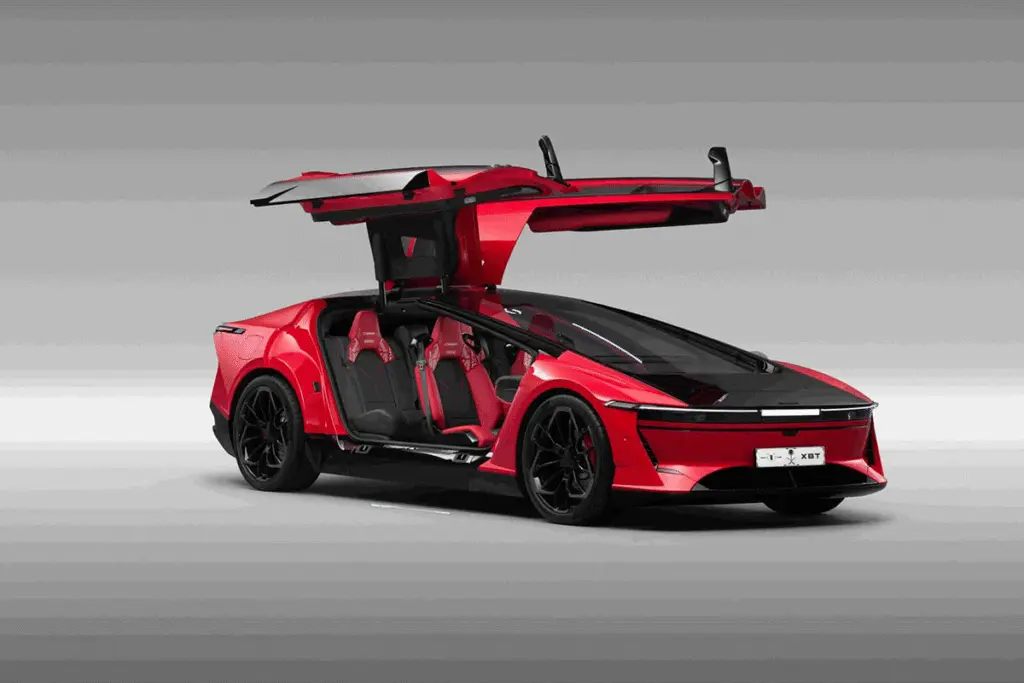
The loan comes two months after Ceer unveiled its first two models, the Exobot sedan and SUV, on 21 September. Production at its plant in King Abdullah Economic City is due to start in January 2027, with first deliveries in March.
The debt question
The timing matters. Ceer is moving from paying for development to paying for production. Unlike a new equity cheque from PIF, a bank loan has to be repaid out of car sales.
Those sales start at the top of the market. The company says the Exobot delivers up to 1,111 horsepower, and it has not announced prices. Saudis buy almost 1 million new vehicles a year, and industry estimates put the electric share at only 10,000–20,000. Within that small market, research firm Focus2Move estimates that BYD’s Saudi sales rose 369% in the first seven months of 2026, while sales of PIF-backed Lucid fell 57%.
Ceer has already missed one deadline. When PIF announced the brand in November 2022, it promised customer cars in 2025. Chief Executive James DeLuca now says the line-up will also include plug-in hybrids and petrol models, a hedge against slow EV demand.
What it means
Ceer plans five mainstream models between 2028 and 2030. Their sales will decide whether this loan builds a car industry or just a showroom. Saudi Arabia is targeting 280,000 units of annual car-making capacity and 40% localisation by 2030. That opens the door for suppliers, Indian component makers among them, that are willing to make parts in the kingdom. For Indian carmakers that export to Saudi Arabia, it means a state-backed local rival is on its way.
Related Stories
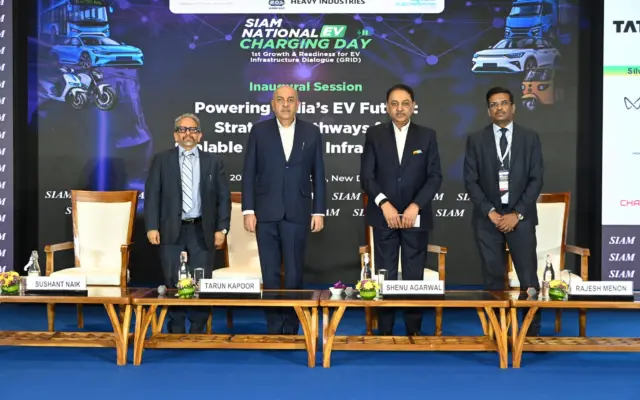
India’s EV charging race is moving beyond charger counts to network performance
SIAM's first National EV Charging Day puts operational reliability, commercial viability and expansion beyond metros at the centre...
Ford is now making LFP battery cells in Michigan, at about 40 cells a minute, using technology licensed from China’s CATL.
The plant was first planned in 2023 at USD 3.5 billion (about INR 32,900 crore) and 35 GWh....
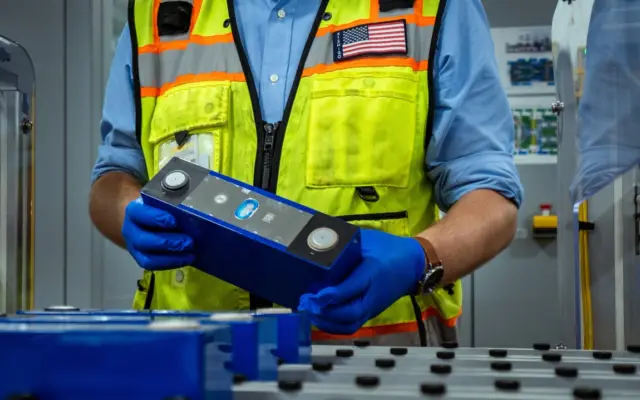
Ford starts LFP cell production in Michigan, using Chinese technology to localise batteries
Ford starts LFP cell production in Michigan, using Chinese technology to localise batteries Ford Motor has begun producing...