


Ford starts LFP cell production in Michigan, using Chinese technology to localise batteries
Ford starts LFP cell production in Michigan, using Chinese technology to localise batteries Ford Motor has begun producing lithium iron phosphate (LFP) battery cells at its Michigan facility, bringing a lower-cost battery chemistry into its domestic manufacturing footprint as it prepares
Ford starts LFP cell production in Michigan, using Chinese technology to localise batteries
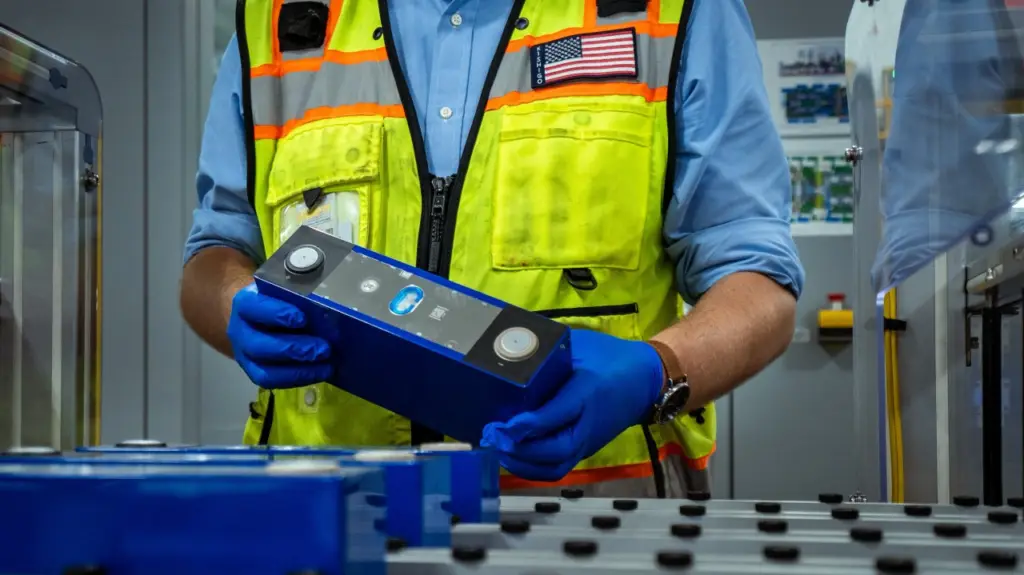
Ford Motor has begun producing lithium iron phosphate (LFP) battery cells at its Michigan facility, bringing a lower-cost battery chemistry into its domestic manufacturing footprint as it prepares to launch a new electric pickup.
The cells, manufactured at BlueOval Battery Park Michigan in Marshall, are intended for prototypes of Ford’s forthcoming Fathom midsize electric truck. The facility is owned and operated by Ford but uses technology licensed from China’s CATL, highlighting the continuing dependence of US battery ambitions on overseas expertise.
Ford said the plant’s production lines can manufacture about 40 cells a minute. The prismatic LFP cells are being shipped to its Louisville, Kentucky, facility for prototype vehicle development, with a supporting battery-pack plant in Marshall expected to begin operations in 2027.

The project has undergone a significant reset since its original announcement in 2023. Initially planned as a $3.5 billion, 35-gigawatt-hour facility, it was scaled back amid political scrutiny of the CATL technology relationship and federal incentives. The revised project was announced at around $2 billion and 20 GWh of annual capacity.
LFP chemistry is increasingly attractive to automakers seeking to lower EV costs and reduce dependence on nickel- and cobalt-intensive batteries. Ford’s move also gives it manufacturing experience that could extend into stationary energy storage.
The development exposes the tension between US industrial localisation and technology dependence: the cells are being made domestically, but the know-how comes from China.
Edit Not: Ford’s battery strategy is not complete independence. It is a bet that local manufacturing, licensed technology and scale can together make affordable EVs competitive.
Related Stories
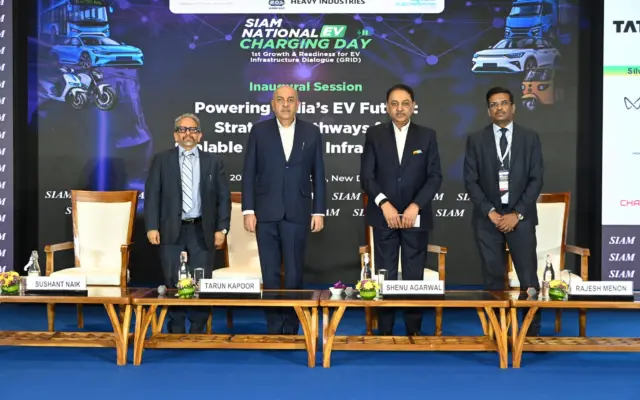
India’s EV charging race is moving beyond charger counts to network performance
SIAM's first National EV Charging Day puts operational reliability, commercial viability and expansion beyond metros at the centre...
Ford is now making LFP battery cells in Michigan, at about 40 cells a minute, using technology licensed from China’s CATL.
The plant was first planned in 2023 at USD 3.5 billion (about INR 32,900 crore) and 35 GWh....
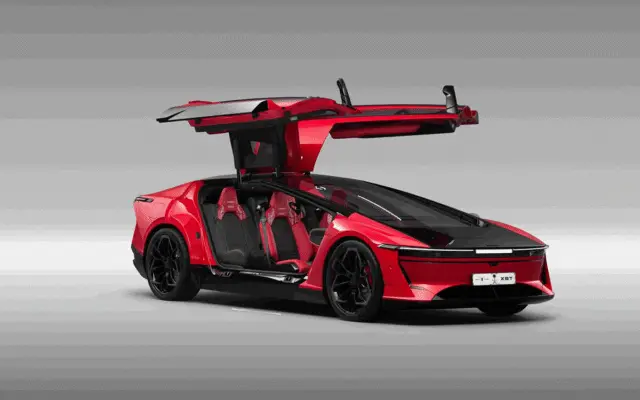
Saudi’s Ceer borrows SAR 2.6 billion for its factory push: Can a premium launch win a market BYD is running away with?
Saudi’s Ceer borrows SAR 2.6 billion for its factory push: Can a premium launch win a market BYD...